Priority topic #1
Continuous protest until children receive medicine
A dedicated three-language article now carries the April 20 protest update on a stable URL, with a direct route to the public post and the main source trail.
Families say the continuous protest that began on April 20 near the Government Administration will stay in place until children receive medicine and access to urgent examinations. This update now leads to a full three-language article, not only a social post.
The April 20 continuous protest stays first. The second fixed topic tracks how the debate shifted away from treatment access and toward pressure, politics and risk narratives around families.
A dedicated three-language article now carries the April 20 protest update on a stable URL, with a direct route to the public post and the main source trail.
A second three-language article now groups the April 18–20 media-monitor thread in one place, so supporters can follow the framing and source trail clearly.
This page gives the site a real, crawlable news archive without breaking the homepage design. It collects reporting from Georgian media, international outlets and public social posts, then keeps direct links to the original sources.
It strengthens search visibility, gives families one place to follow the story, and creates a stable URL that can be sent to Google Search Console whenever the archive is updated.
This site is updated from real public resources. If someone spots a fresh article, TV segment, radio interview or public post, sending the link helps keep the archive current and complete.
The homepage now has a live media block, but a separate archive URL makes the topic easier to index, easier to share, and easier to update over time.
The archive is designed for quick updates every 2–3 days from open resources: articles, TV segments, radio reports and public social posts.
English, Russian and Georgian versions help people find the site not only by brand name, but also by disease-related searches.
The newest coverage, public statements, ministry reactions and parent advocacy timeline are collected below.
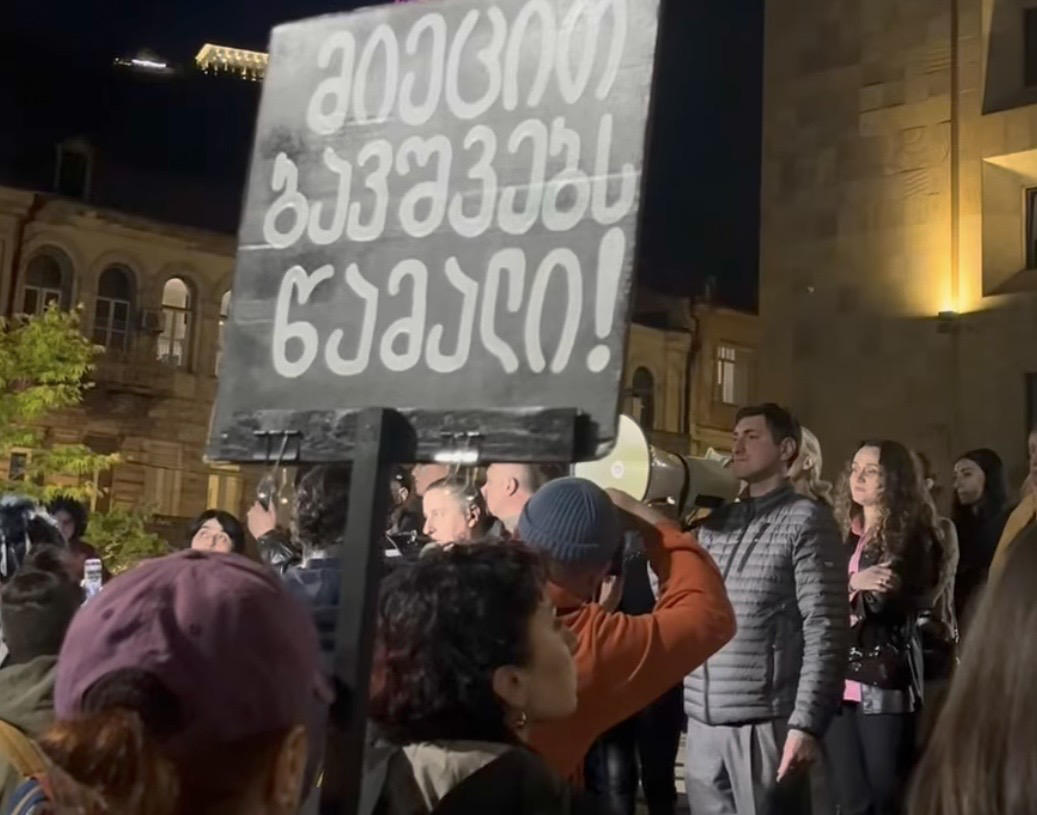
In a public post about today’s 17:00 gathering outside the Government Administration, parents of children with Duchenne said the continuous protest that started on April 20 will not stop until their children receive medicine and access to the necessary examinations.
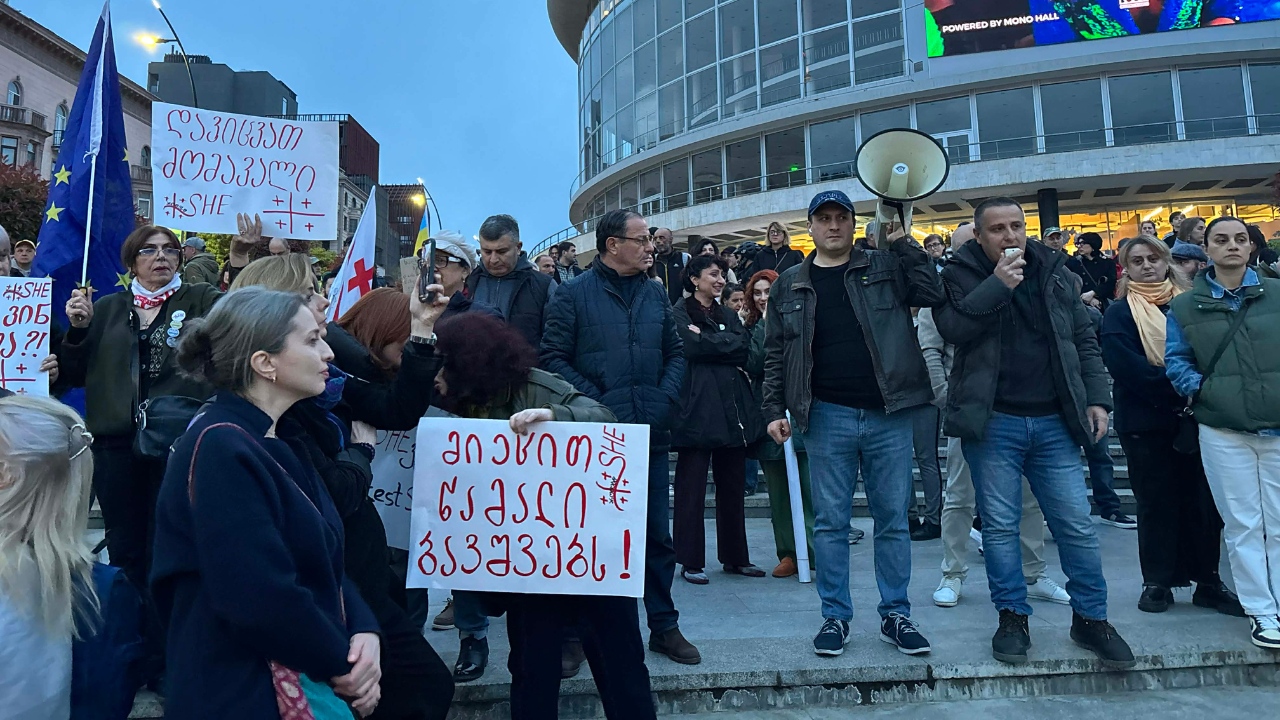
JAMnews says the April 18 Saturday march in Tbilisi was dedicated to children with Duchenne muscular dystrophy, that thousands of people joined the families’ demand for state budget funding for very expensive medicines, and that around 100 children are registered with the diagnosis in Georgia.
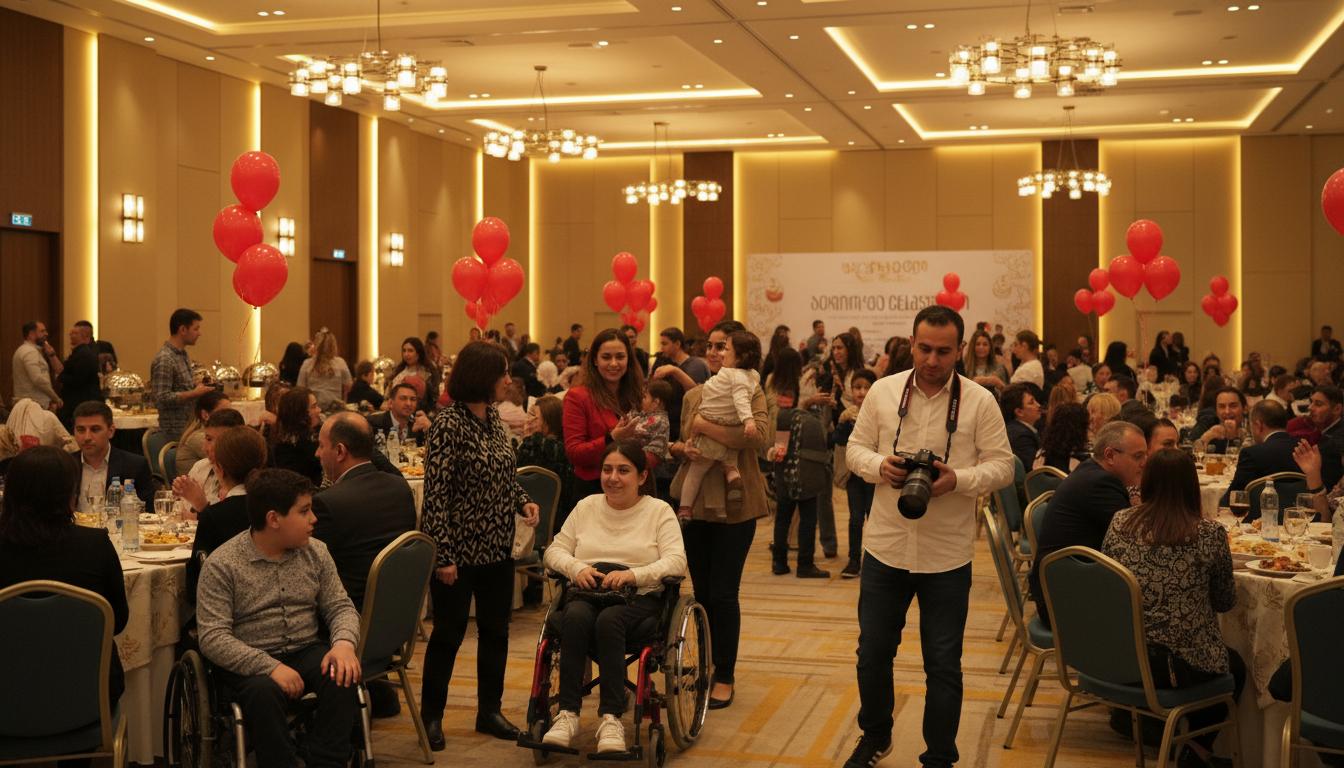
DFWatch reported that protesters in central Tbilisi demanded access to medicine for children with Duchenne and said a new round of continuous demonstrations would begin outside the Government Administration starting April 20.
Later on April 18, Health Minister Mikheil Sarjveladze said he understood the emotions of the families, promised that the ministry would do everything possible, and said additional communication would follow on the Duchenne treatment issue.
Radio Liberty wrote that after the April 18 march, parents of children with Duchenne announced uninterrupted protest actions from Monday, April 20, near the Government Administration. They said they had not been allowed to place tents and would remain there even without tents.
Netgazeti highlighted the voice of 21-year-old Beka Shonia, who says he is already too old to qualify for the medicine himself and asks society and the state to help younger Duchenne patients receive treatment on time.
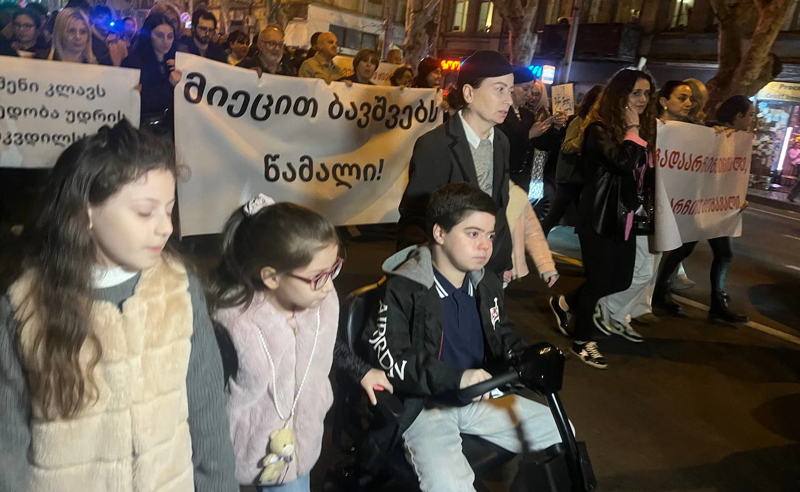
At the April 18 march, TV Pirveli quoted the mother of a nine-year-old boy who said families had failed to make the ministry understand how costly every lost day is. The report also said parents planned to begin a continuous protest outside the Government Administration from April 20.
Publika reports that the Public Defender’s office is reviewing the Duchenne medicine issue based on an April 8 appeal. The office says it is looking at both children’s right to health and freedom of expression and will use all available mechanisms to support access to essential medicine.
Radio Liberty said police blocked families outside the Government Administration on April 15 and allowed only three parents to enter and file a statement. Parents wanted a direct answer from the prime minister about life-saving medicine, and the report captures how sharply the issue is felt after recent deaths.
Georgia Today wrote that the Ministry of Health said it was refusing to import the medicines because of safety concerns and ongoing long-term studies, while parents replied that the same treatments are already used in the US and Europe and suggested that cost is a major reason for the resistance.
BM.ge reported that parents gathered again on April 6 outside the Government Administration, demanded a meeting with Prime Minister Irakli Kobakhidze, said they were barred from placing tents and continuing a 24-hour protest, and repeated their request for imported medicines and funded examinations.
Civil.ge wrote that families continue to demand free access to modern treatments already approved internationally and a permanent multidisciplinary team for Duchenne care. In late March, they warned they could move to continuous street protests and even tents if talks failed.
Public posts help track route announcements, protest calls, demands and how the story moves from the street into the media.
This public post framed the march as a dedicated solidarity action for children with Duchenne and helped spread the route and timing before the rally.
The reel frames the key message in simple public language and shows how social media compressed the issue into a repeated demand for state funding.
The post helped spread the time and place of the protest and became one of the bridges between newsroom reporting and direct family mobilization.
This public community post echoes the parents’ complaint that they planned tents and a continuous protest in front of the State Chancellery but faced restrictions.
These are the main public sources currently monitored for the archive.
Short answers for families, supporters and search engines.
It is designed for updates every 2–3 days whenever fresh public reporting or public social posts appear.
No. The site links to original reporting and public posts, while adding short summaries and context for families.
Because the issue needs to be easier to find and understand for Georgian-, Russian- and English-speaking audiences.
By sending links to fresh articles, videos, interviews or public posts that should be added to the archive.